


Micrometer for the nasal spray
At first glance, the white plastic part seems unremarkable: the top part of a nasal spray, with its conical shape and smooth surface. “At KEBO, we manufacture, so to speak, the ‘baking pan’ for such sophisticated plastic products,” explains Managing Director Alexander Anders.
KEBO specializes in the development and manufacture of injection molds. These high-precision metal molds are used to produce large volumes of plastic parts for the pharmaceutical and medical technology industries.
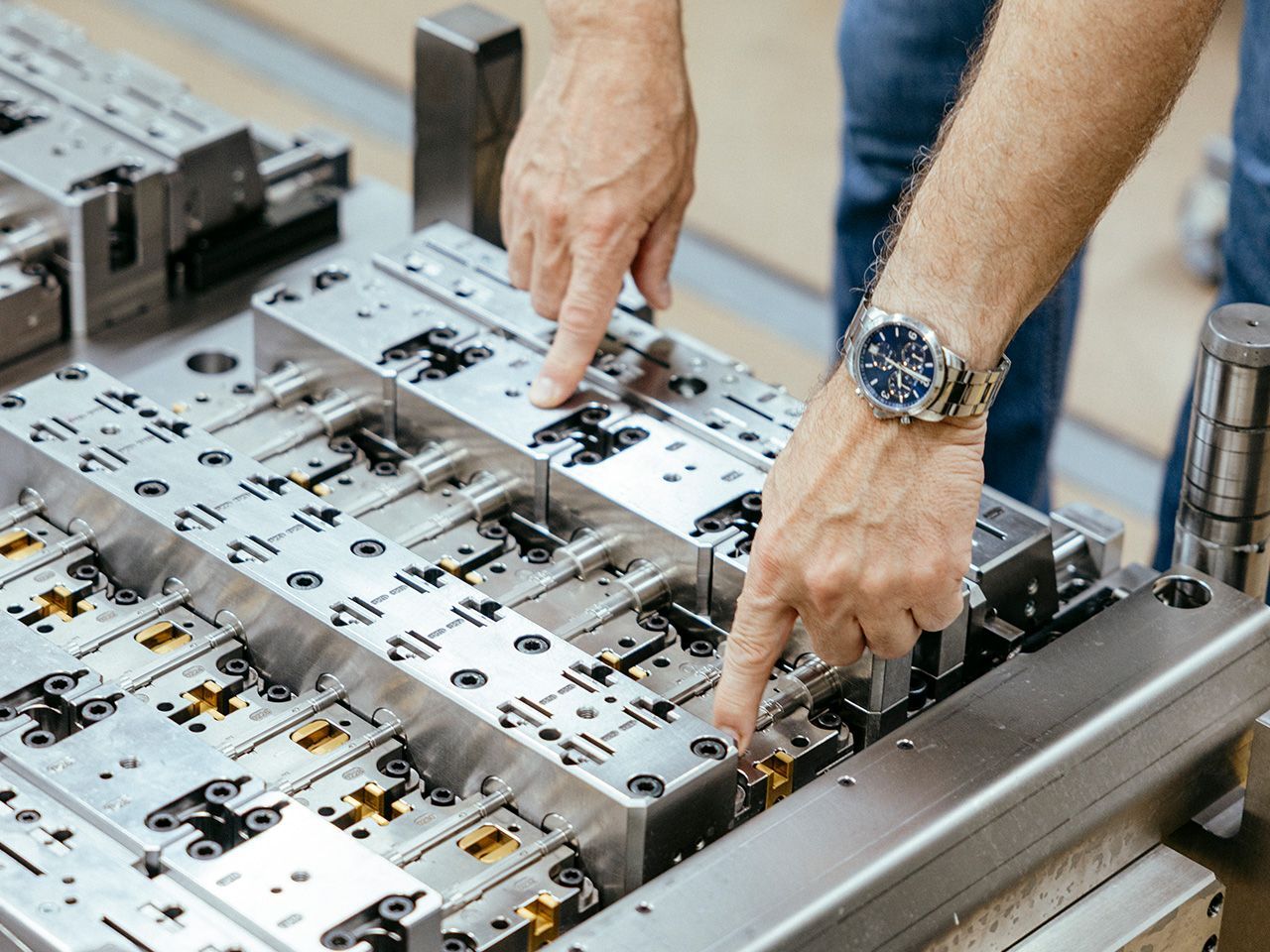
Often, the complexity only becomes apparent at second glance: To ensure that the spray’s contents reach the nose as a fine mist, the interior of the spray nozzle must feature highly precise geometry - and, consequently, so must the metal mold used in the production tool. Producing such geometries consistently requires a great deal of technical expertise. All the knowledge and many years of experience of the approximately 90 employees in Neuhausen am Rheinfall are poured into these molds, which take up to a year to produce - from order receipt to delivery.
Medical Technology Instead of the Packaging Market
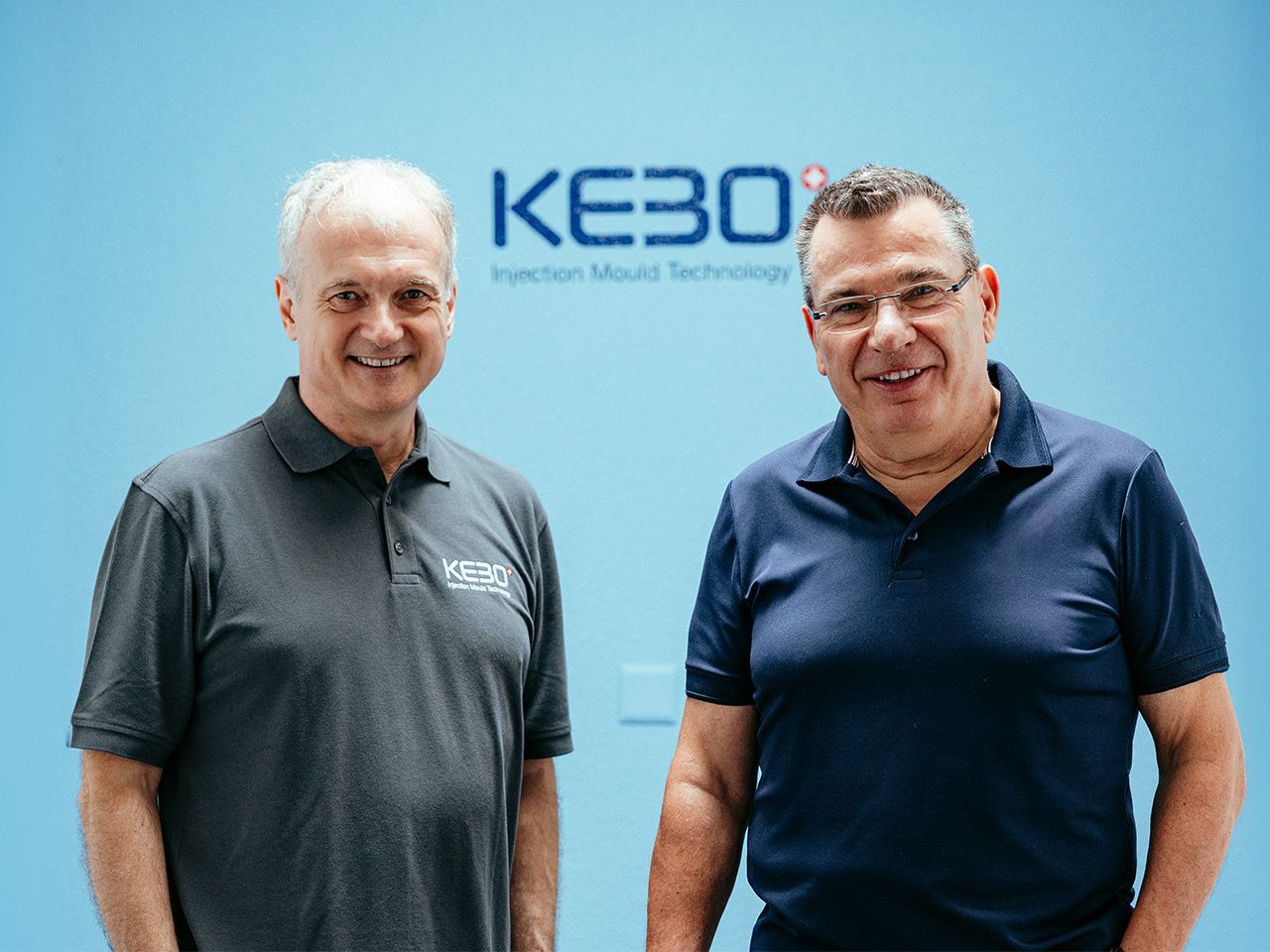
KEBO was founded in 1979 by Alfons Keller and Charles Bodenmann. Gerold Keller joined the family business as early as 1986 and, a few years later, took over the company alongside Daniel Bodenmann as part of the second generation. “We started out taking a big risk,” Keller says, looking back. What they had back then was the artisanal heritage of a region that had been a stronghold of precision mold making since the 1950s, shaped by the watch industry, which had made a keen sense of micrometers part of the region’s DNA. Today, with an export rate of over 90 percent, KEBO is almost entirely focused on the global market and counts the largest pharmaceutical and medical technology companies among its customers.
Setting the Course for the Future
At the end of June 2026, Keller and Bodenmann reached another milestone in the company’s history: KEBO became part of the French Plastisud Group - also a medium-sized family-owned company operating in the closure and packaging market. “It was very important to us to secure the future early on - for our employees and for our customers,” says Keller. Customers in the pharmaceutical industry plan decades ahead. They need to know that the partner who builds their tools today will still be supplying replacement parts and providing maintenance in twenty years. Trust takes time to build - and it’s not transferable.
The merger with Plastisud strengthens both companies’ market position in a challenging economic environment. Geopolitical crises are having a direct impact on the cost of plastics used in injection molding via oil prices; the strong Swiss franc is putting pressure on the business, and U.S. tariffs are making business in North America more difficult. “We are constantly working to stay economically fit,” Anders emphasizes. To justify the Swiss price premium in the face of global competition, the company must always be a few steps ahead technologically.
Human Precision – AI-Resistant Craftsmanship
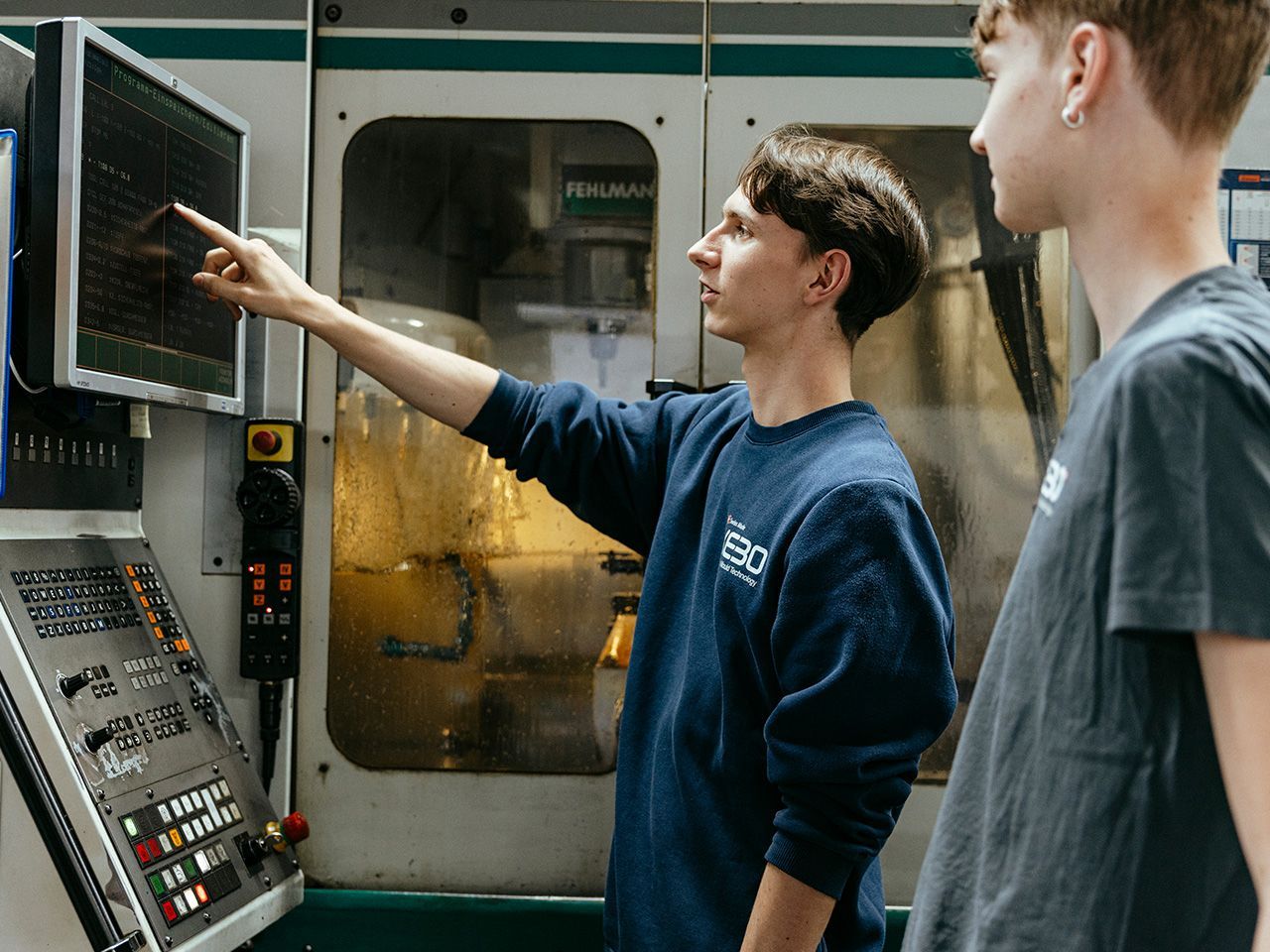
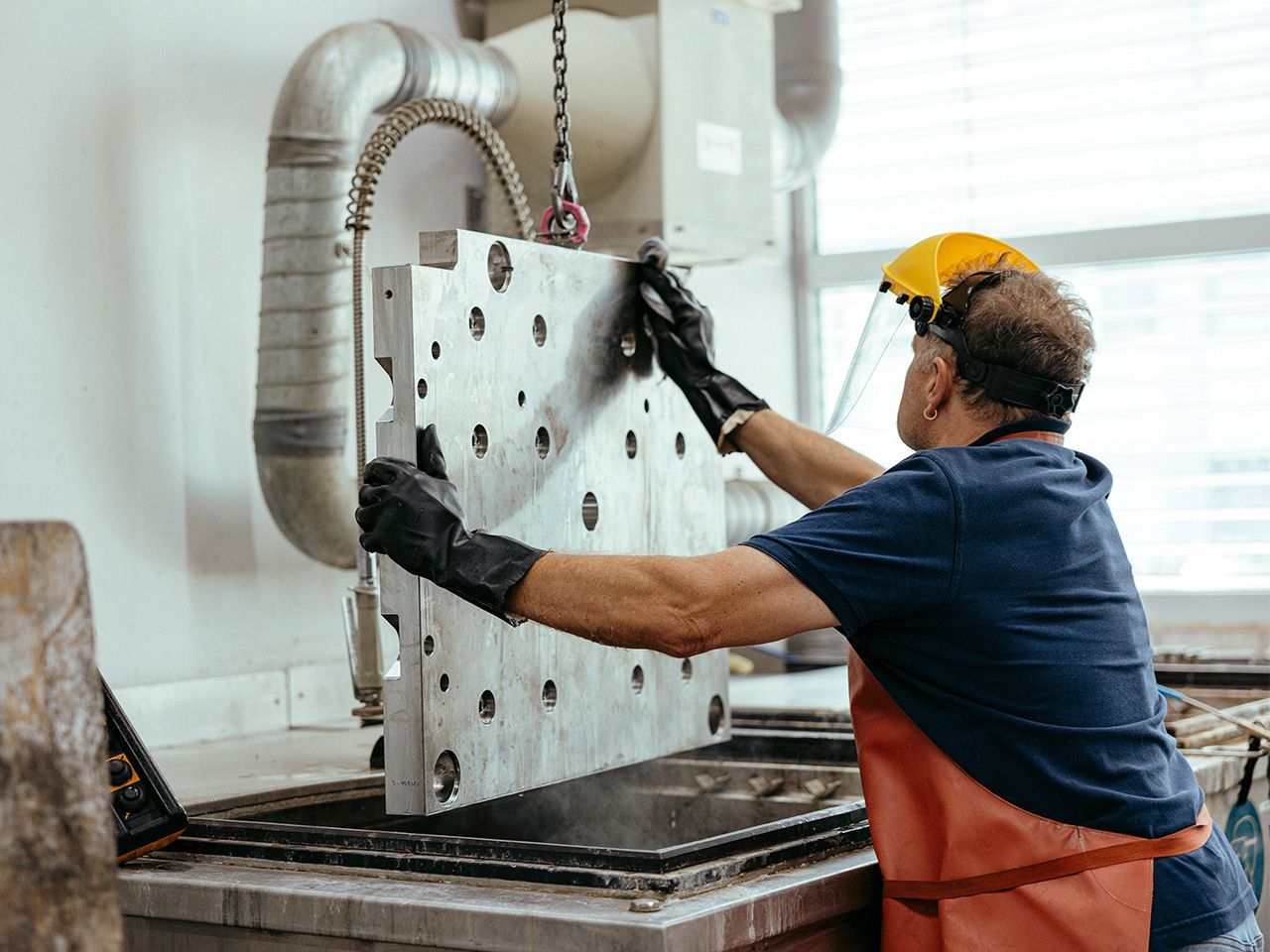
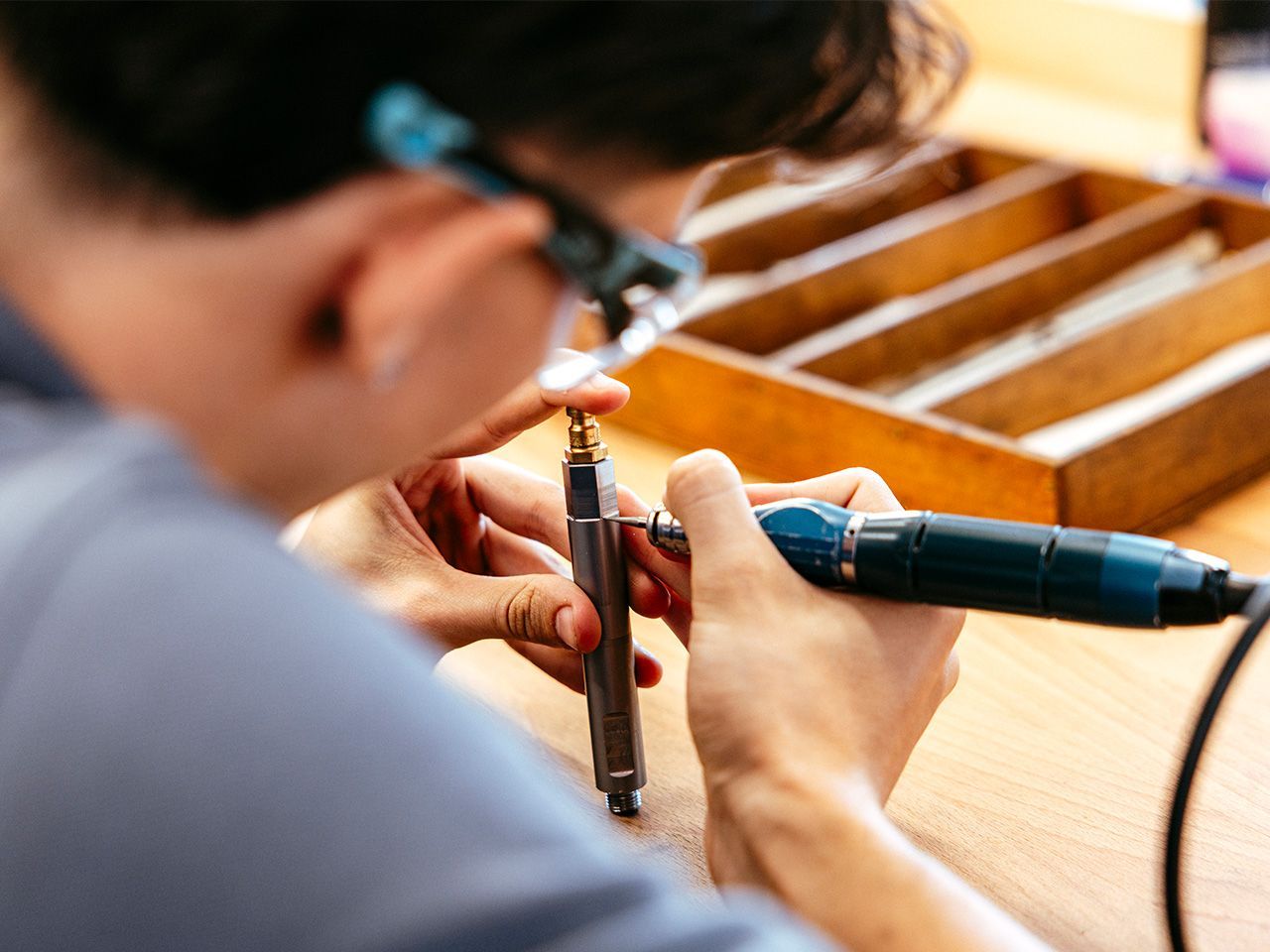
The key selling point for Neuhauser tools is and remains their extreme manufacturing precision: KEBO guarantees tolerances in the range of hundredths of a millimeter—about one-tenth the thickness of an A4 sheet of paper. Achieving these top-tier standards requires a close interplay between high-tech and craftsmanship. Despite modern manufacturing technology, the human factor remains indispensable. To remove the last few scratches, the surfaces of the tool components are sometimes polished by hand. This is because a single tiny irregularity in the steel mold would otherwise be replicated billions of times in the plastic, potentially rendering the final product unusable.
Innovation Through Collaboration
Once the molds are ready, an extensive testing phase begins. “Our customers come to us in Neuhausen from all over the world and test the new molds and injection-molded parts, sometimes on their own machines,” explains Anders. The molds are then often in use for 10 to 15 years, producing components every second. For pharmaceutical companies, this continuous operation justifies the long development times and the demanding validation of new production processes.
Thanks to its long-standing customer relationships, KEBO gains early insight into where the medtech market is headed. KEBO seeks collaboration with partners—such as machine manufacturers from Switzerland and southern Germany—to develop complex, comprehensive solutions. This is how its latest technology came about: in-mold labeling for the medical technology industry. In this process, labeling is integrated directly into the injection molding process. “Developments like this require patience, as the medtech market tends to be very cautious,” explains Keller.
The Strongest Currency: Trust
Today, KEBO belongs to an exclusive circle of just a few toolmakers worldwide who manufacture in this precision class and supply global pharmaceutical companies. In this industry, trust is the hardest currency, Anders and Keller emphasize. With its focus on the highest standards, its own talent development program, and its integration into the Plastisud Group, KEBO will continue to secure a firm position on the global map of medical technology in the future.
There is more


Update newsletter Schaffhausen
Beyond the numbers: context that moves markets. Insights for CFOs, straight from Schaffhausen.

