The wealth in waste
Forty thousand tons. That is how much medical waste is generated each year in Switzerland. A figure that sounds abstract until you visualize it: Every six years, we could fill the world’s largest container ship with it—the “Ever Alot.” Its 400-meter length would be lined with syringes, masks, pens, prostheses, implants, surgical gowns, sterilization drapes, and disposable cutlery. High-quality, precise, and expensive. And in the end: nothing but smoke and ashes.
What many people don’t realize: this waste is of premium quality. In the pharmaceutical and medical technology industries, only the best materials are used: pure titanium, high-alloy steel, and plastics of the highest grade. And yet, year after year, this very material is destroyed in high-performance incinerators. With it, not only raw materials disappear, but also millions of francs. Paid for by hospitals—and ultimately by all of us.
Throwing things away creates dependency
Incineration also marks the end of value creation. After a single use, it’s back to square one. New production chains must be launched, and raw materials must be purchased at high prices on global markets. At prices that fluctuate like the price of oil in times of crisis. Tariffs rise, supply chains break down, and geopolitical tensions escalate. For a small, resource-poor country like Switzerland, this is a risky dependency.
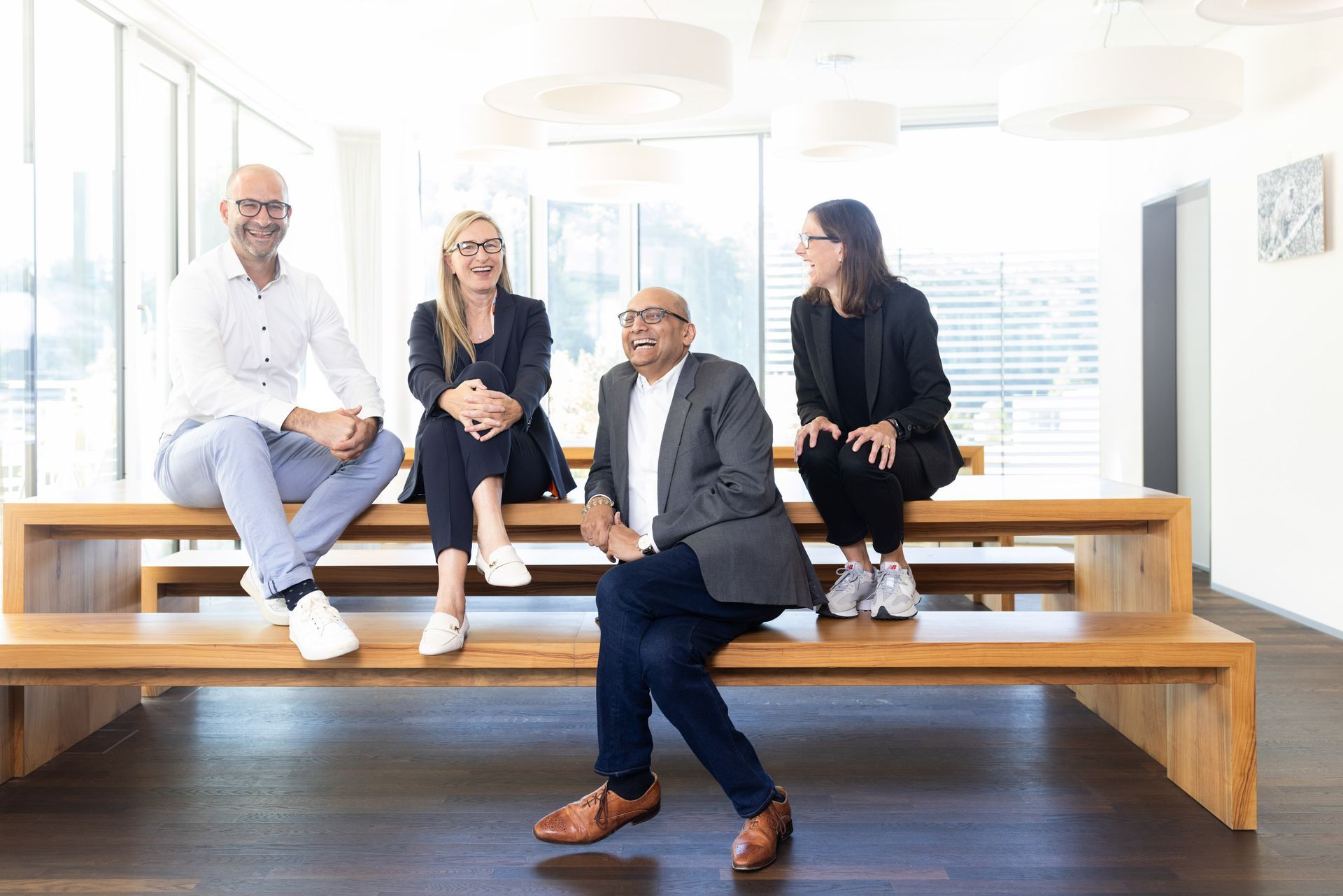
This is where be circular bridges the gap. Founded last December by Cedric Gysel and a group of seasoned circular economy entrepreneurs, the association brings together the expertise needed to rethink value creation. Behind the initiative stands an interdisciplinary network of business and science with a clear mission: to close the material loop in the Swiss pharmaceutical and medtech industries. “By keeping raw materials within the country and efficiently managing material flows, we break our dependence on global supply chains and strengthen
New Life in the Cycle
A seemingly unspectacular product illustrates what this might look like in practice: the IV set. It delivers electrolytes or medications directly into a vein. Used millions of times a day in hospitals and care facilities, yet today its life ends after a single use. In Cedric Gysel’s vision, that’s when it really begins. The infusion set is automatically sorted from the contaminated waste and broken down into its components: connecting tubing, pump connector, and cannulas. Each material is separated and returned to its pure form. The result: sought-after, high-quality raw materials that are once again available to the healthcare sector. Plastics are turned into waste bins or collection boxes in the hospital. Metals flow back into production. In the long term, this is intended to create closed-loop systems where medical devices are transformed back into medical devices.
There is intelligence in waste
After just a few recycling cycles, manufacturing costs drop dramatically, the carbon footprint is reduced by up to 80 percent, and, as a bonus, valuable data flows back to the manufacturers. Because the circular economy fosters intelligence: manufacturers can analyze usage data, optimize inventory levels, detect counterfeits, identify defects, and learn from used products—all to make them better and more affordable for their users.
The approximately 40,000 tons of medical waste incinerated in Switzerland each year alone represent a vast new source of raw materials and an equally significant opportunity for creating new value. It’s no wonder that ten companies from the pharmaceutical, medical technology, and plant engineering sectors have already become full members.
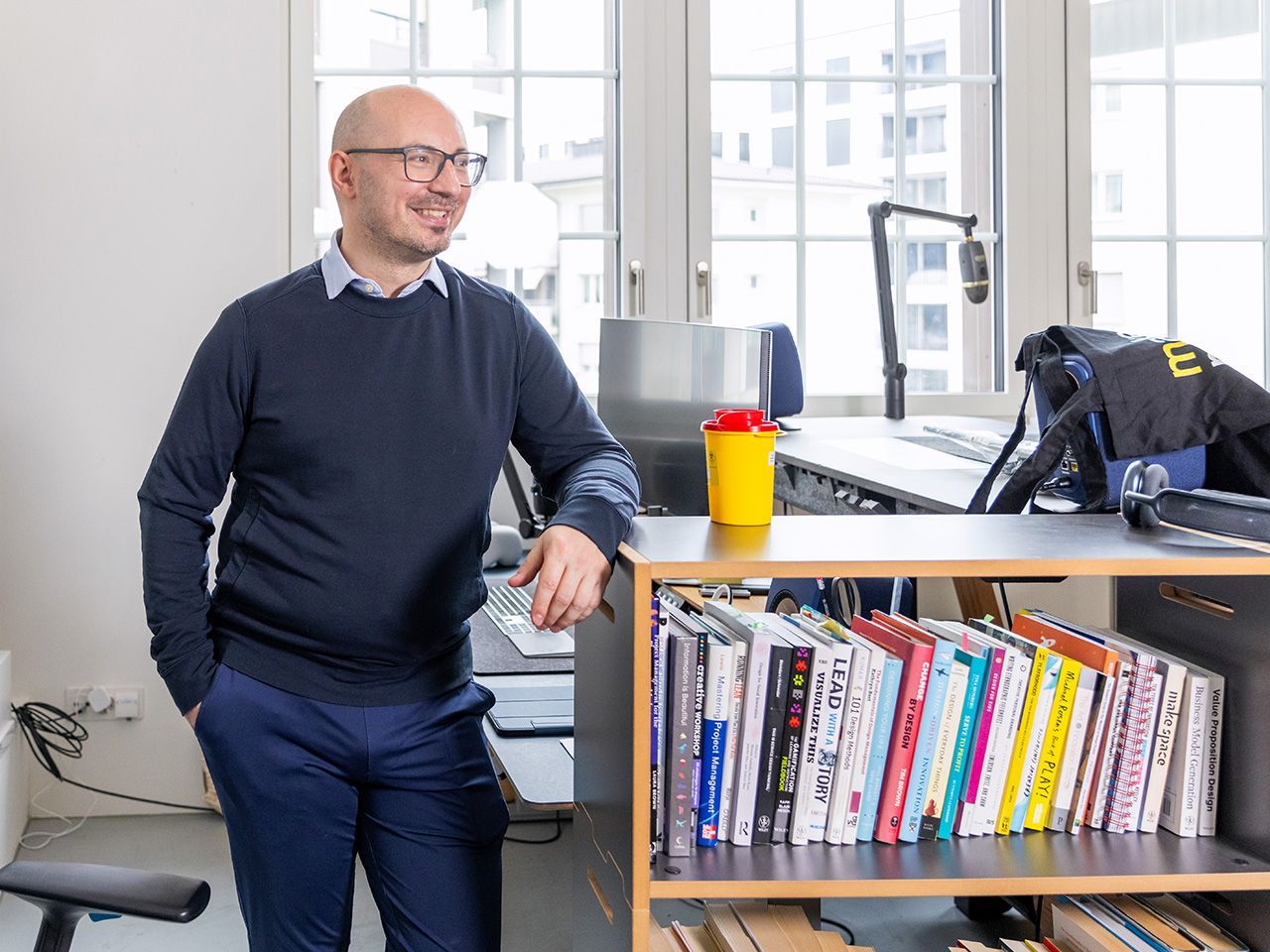
“We have the opportunity to use local expertise to build an industry centered on circularity.”
Cedric Gysel, co-founder of be circular, in his office at the SIG site. The Sharps container on the table is his constant source of inspiration: giving medical waste new value.
An incubator that doesn’t just think—it acts
The association sees itself as an independent incubator for anyone who wants to invest in the future of resource efficiency. The conditions in Schaffhausen are right. “We have one of the densest pharmaceutical and medtech industry clusters in Switzerland and access to world-class research,” explains Cedric Gysel. “We are strong in mechanical engineering and the materials industry, and we have expertise in machine vision, automation, robotics, and big data. We have specialized companies that could develop sorting and disassembly systems, and thus the opportunity to use local expertise to create an entire industry centered on the circular economy.”
The first pilot plant is taking shape
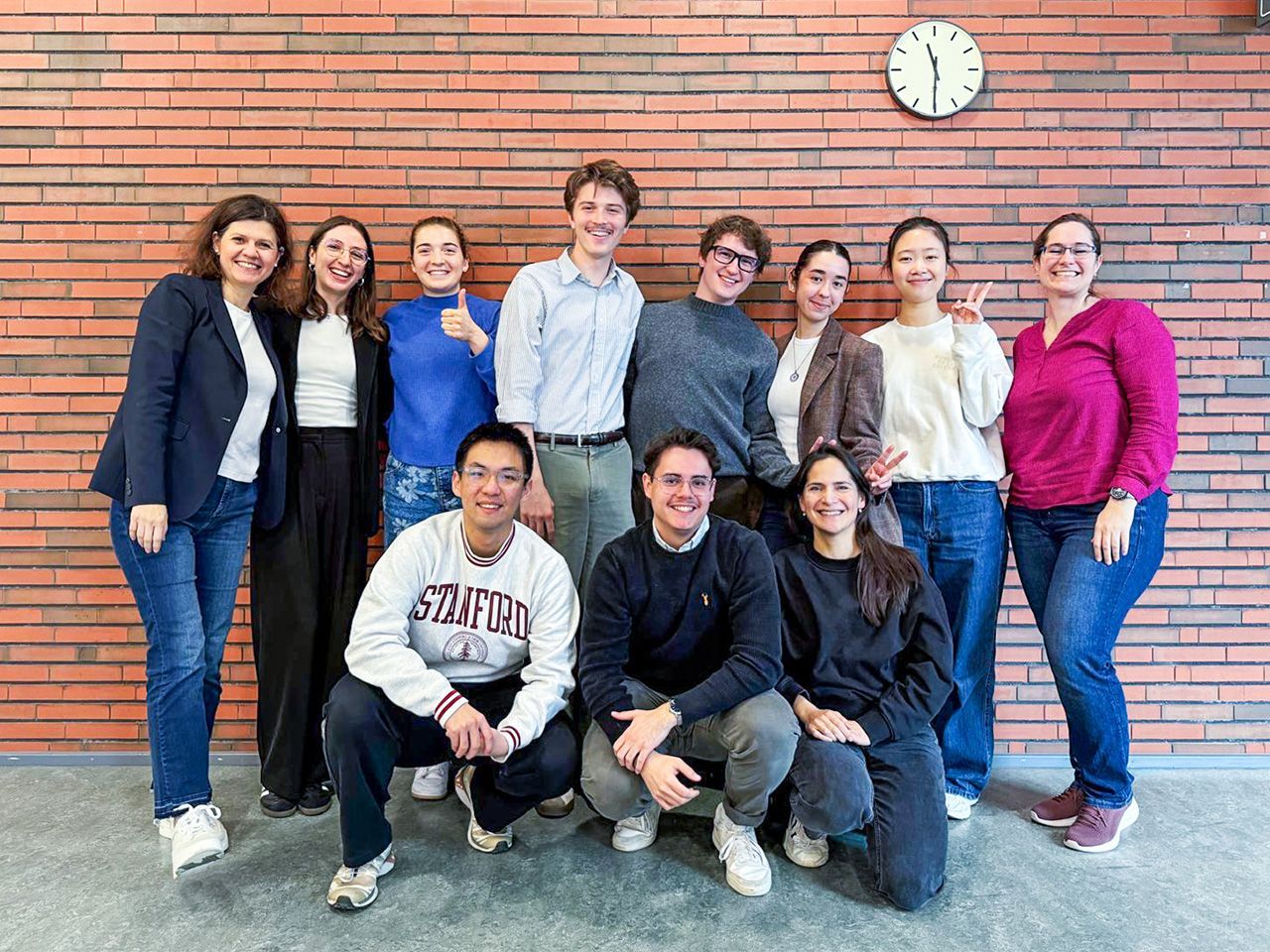
For this to succeed, suppliers, manufacturers, researchers, and government agencies must work together. The circular economy isn’t a solo act; it’s an orchestra. And Cedric Gysel knows how to leverage the region’s strengths. Together with students from ZHAW and Stanford University, a prototype has already been developed that autonomously opens containers for medical waste and uses machine vision to recognize and sort medical devices. The next steps are imminent: The association plans to build test and development facilities on the SIG site in Neuhausen, followed by the first industrial pilot plant in Switzerland.
Applications from the region are also being incorporated. In collaboration with the EMPA Center of Competence for Sustainability Robotics, tests will be conducted to determine how technologies used in drones can also assist in sorting individual components. Additional partners are invited to participate in order to pool investment costs and benefit from the new material cycles at an early stage.
Leveraging Schaffhausen’s Industry Strengths
So what could still cause the project to fail? “What’s needed now is the courage to make initial investments and the expertise of both local and international partners,” says Cedric Gysel. PET, glass, and aluminum have long proven that circular systems work. The pharmaceutical and medtech industries are far more complex, but this is precisely where the leverage lies: the knowledge gained can later be transferred to other demanding sectors, such as the automotive industry.
Because one thing is certain: closed-loop systems make an economy resilient and keep value creation within the country. And perhaps that is precisely the point of this story: what we still throw away today could bring growth, innovation, and prosperity to Schaffhausen and all of Switzerland tomorrow. We just have to pick it up.